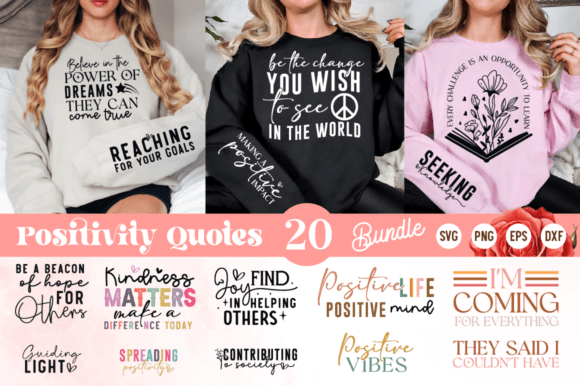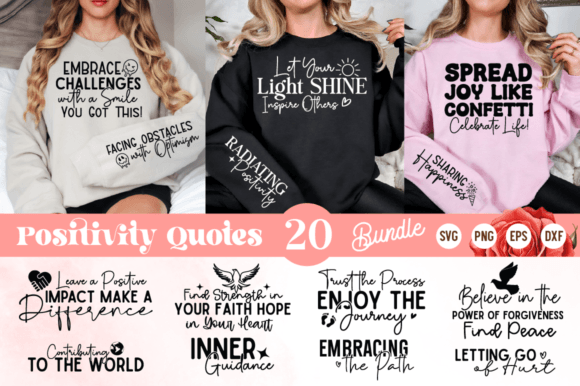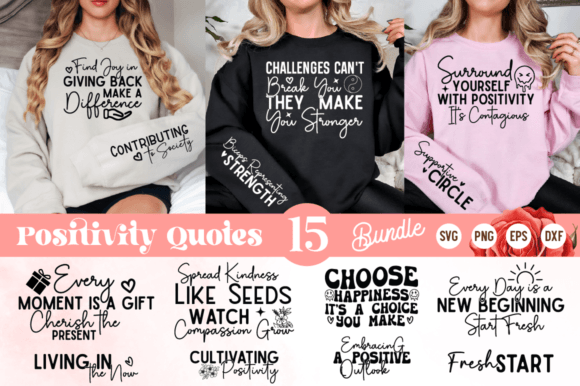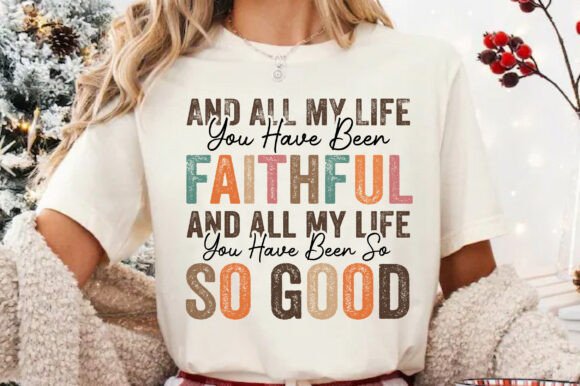
You Don’t Have to Be Perfect, Positivity
As an experienced embroidery designer and product reviewer, I’ve seen my fair share of SVG designs come and go. Some are flashy but impractical, others are simple yet elegant. When I first laid eyes on You Don’t Have to Be Perfect, Positivity, it struck me as a design with heart. It’s the kind that speaks directly to your audience—especially those in the mental health and self-love niches. Let me walk you through how this design feels when held up to real-world use.
A Design That Feels Like a Conversation
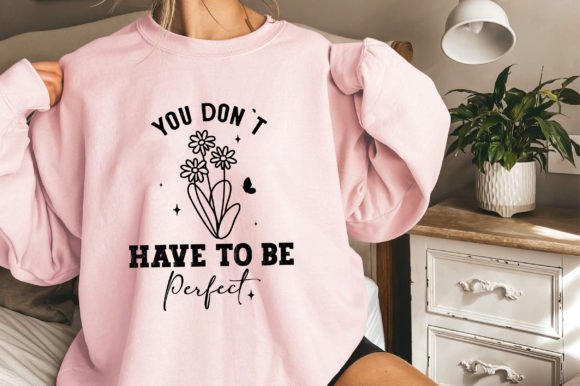
The phrase “You Don’t Have to Be Perfect” is bold and expressive, delivered in a clean, modern font that balances soft curves with strong lines. The layout is thoughtful: the main text takes center stage while the supporting elements—like subtle hearts or small motivational symbols—frame it just enough to add visual interest without overwhelming the message.
Visually, it has a warm and uplifting tone, which makes it perfect for casual wear and personal gifts alike. The theme is positive and relatable, something many people need these days. From a design perspective, it reads well from a distance, which is important for wearable art. But what really sets it apart is its emotional resonance—it doesn’t just look good; it makes you feel something. That’s rare in machine embroidery files and can be a huge selling point for any handmade or commercial project.
Where This Design Thrives
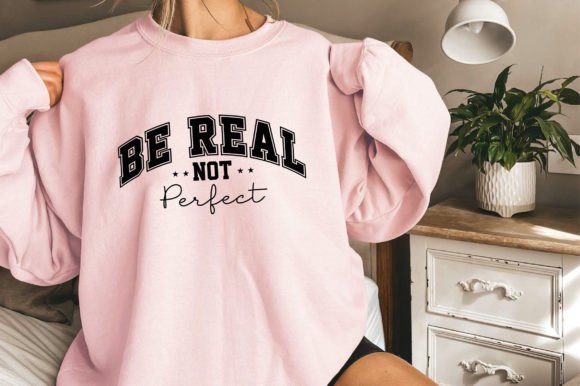
I tested You Don’t Have to Be Perfect, Positivity on a few common products to see how it translates beyond the digital canvas. On a custom sweatshirt, the design was striking. The satin stitch outlining the letters gave it a polished finish, while the fill stitches in the background added texture and depth. It felt like a boutique-level piece, not something slapped together for mass appeal.
On tote bags, the design worked especially well when placed near the bottom hem. People often carry their messages where they can be seen clearly, and this placement made the bag both functional and meaningful. For baby items, I found the smaller version of the design (if available) could be used effectively on onesies or bibs, though care must be taken with tiny lettering areas to ensure legibility after stitching.
When applied to aprons or pillow covers, the design’s personality shone. It added a touch of whimsy and encouragement to everyday objects, making them more than just décor—they became conversation starters. As an Etsy seller or small shop owner, that kind of engagement is gold.
Real-World Considerations for Embroidery Projects
While You Don’t Have to Be Perfect, Positivity is visually appealing, it’s important to consider how it will perform across different embroidery scenarios. Here are some key observations:
- Custom Apparel: Works best on cotton blends or heavier fabrics like fleece for sweatshirts. Stretchy materials may require adjustments to stitch tension and stabilizer use.
- Tote Bag Design: Ideal for canvas or medium-weight polyester. The design holds up well in larger hoop sizes and looks great with minimal shadowing.
- Baby Embroidery: The sentiment is perfect for nursery decor or personalized gifts, but the detail level needs to be checked carefully if using it on delicate or stretchy fabrics.
- Commercial Embroidery: The design feels professional and marketable. If you're planning to sell finished products, always verify licensing before doing so.
- Embroidered Patch: A smaller version of the design would work beautifully here, especially if paired with a contrasting thread color for visibility.
- Holiday Gifts: The positivity angle fits well with holiday themes—think cozy sweaters, gift tags, or embroidered ornaments. Just make sure the design complements the overall aesthetic of the item.
Design Notes for Best Results
Before using You Don’t Have to Be Perfect, Positivity in your next project, keep these practical tips in mind:
- Test on Scrap Fabric First: Especially if you’re new to the design or planning to use it on a textured or unusual material.
- Check Thread Color Contrast: The design benefits from high contrast between the text and background. Avoid using light threads on white fabric unless you’re going for a minimalist or tonal effect.
- Review Stitch Density: Dense areas can cause puckering on thin fabrics. Adjust settings if needed to preserve the integrity of the garment.
- Confirm Hoop Size: Larger versions of the design may require a bigger hoop. Always double-check the dimensions provided by the file creator.
- Inspect Small Details: If the design includes tiny letters or intricate shapes, test them at scale to ensure clarity post-stitching.
- Use Proper Stabilizer: Especially for curved surfaces like caps or layered garments. Without the right support, the design might lose shape or become distorted.
- Test in Black and White Mockups: To evaluate how the design works with different thread colors and fabric types before finalizing production.
- Compare Light and Dark Backgrounds: See how the design performs on darker versus lighter materials. Sometimes a black-and-white mockup isn’t enough.
- Check Licensing: If you plan to resell finished products or digital embroidery files, confirm that the license allows for commercial use.
Where Caution Is Key
Not every design is one-size-fits-all. While You Don’t Have to Be Perfect, Positivity is versatile, there are a few situations where it should be used with care:
- Small Hoop Sizes: The design’s size may be too large for standard small hoops, leading to loss of detail or forced scaling down.
- Textured Fabrics: Materials like denim or flannel can hide fine details and affect the smoothness of satin stitches.
- Thin or Stretchy Fabric: These can lead to distortion or pulling during the embroidery process. Use stabilizer and adjust tension accordingly.
- Dense Stitch Areas: If the design includes heavy fill or outline stitching, be mindful of how it interacts with the fabric and whether it adds unnecessary bulk.
- Curved Surfaces: Caps or hats may require breaking the design into sections or adjusting the stitch direction for better results.
- Products That Need Frequent Washing: High-density stitching can weaken over time. Choose durable thread and appropriate fabric to maintain longevity.
Impact on Product Value and Branding
This design brings more than just aesthetics to the table. Its message is timely and universally appealing, which can significantly increase buyer engagement. Customers don’t just want a pretty shirt—they want a product that reflects their values or resonates with their current mindset.
For Etsy sellers and handmade shop owners, the emotional weight of this design can enhance perceived value. People are willing to pay more for items that speak to them personally, especially in categories like mental health and self-care. As long as the stitching is crisp and the presentation is clean, it can elevate your handmade product from ordinary to meaningful.
In terms of brand consistency, if your shop focuses on empowering messages or lifestyle-based branding, this design fits seamlessly into your lineup. It also offers flexibility—whether you're creating a digital embroidery file for resale or using it in a printable mockup for marketing, the visual personality remains intact.
Final Thoughts for the Practical Designer
After working with You Don’t Have to Be Perfect, Positivity on several real-life projects, I’m confident it can serve as a reliable addition to your design library. It’s not just another SVG—it’s a message wrapped in art, ready to inspire customers and create a lasting impression.
However, like any design, it requires thoughtful application. Take the time to test it on your preferred materials and review its performance under various conditions. The goal is to ensure that when someone receives a finished product with this design, it looks as good in person as it did in your head.
If you’re looking for a machine embroidery design that combines style with substance, You Don’t Have to Be Perfect, Positivity is worth considering. Just remember to tailor it to your specific project needs and always prioritize quality and clarity in your embroidery project.