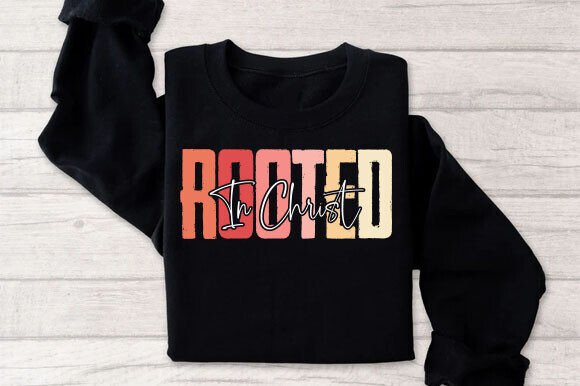
Throwing Stones Line Art SVG Review: Faith in Design
First Impressions and Design Mood
When I first opened the ZIP folder for Throwing Stones, Line Art Svg, Faith, I was struck by the simplicity and elegance of the design. The line art is clean, with a subtle spiritual undertone that makes it feel both modern and timeless. It’s not an over-the-top graphic; instead, it uses negative space and minimal strokes to convey a sense of peace and reflection—perfect for those who want to add meaningful embroidery without overwhelming the fabric or the viewer.Layout and Visual Personality
I immediately thought of using it for a sweatshirt embroidery project with a client who wanted something unique but not flashy for their boutique line. The line art would stitch beautifully on cotton blends, giving a soft, hand-drawn feel that elevates the handmade product value.Real-Life Embroidery Applications
This design has potential beyond basic T-shirt graphics. Its versatile nature makes it suitable for a range of products, from custom apparel to holiday gifts and even embroidered patches. Here’s how I see it performing in real-life scenarios:- Tote Bag Design: On a canvas tote, the line art adds a subtle, artistic flair. It’s perfect for customers looking for something understated yet expressive.
- Baby Embroidery: For a nursery wall hanging or baby onesie, the gentle curves and lack of harsh lines work well with soft fabrics and pastel thread colors.
- Holiday Gifts: Stitched onto a decorative tea towel or apron, the design brings a quiet, thoughtful touch to homemade gifts.
- Etsy Listings: As a digital embroidery file, it can be sold as part of a collection or paired with other faith-based motifs to build a cohesive design set.
- Commercial Embroidery: If used within a small shop product line, it maintains a professional appearance while staying true to a handmade aesthetic.
Stitch Clarity and Fabric Compatibility
What really matters when choosing an embroidery file is how it translates into stitches. Throwing Stones, Line Art Svg, Faith leans heavily on running stitch and satin stitch techniques, which means it's fairly lightweight in terms of stitch density. That’s a plus if you’re working on thin or stretchy fabrics, but it does require attention to stabilizer use to keep the shape intact. Because it’s line-based, I recommend testing it on scrap fabric first, especially if you're planning to use it for small hoop sizes or curved surfaces like caps. While it might fit in a compact hoop, detailed corners and fine lines could suffer if not properly supported.Where to Use It Carefully
While Throwing Stones, Line Art Svg, Faith is a beautiful design, it isn't suited for every application. Here are some considerations:- Small Hoop Sizes: The detail in the corners and edges may become distorted if the hoop size is too tight. Confirm the minimum hoop size before starting any project.
- Textured Fabrics: Heavy denim or flannel could cause the fine lines to lose definition. Smooth cottons or blends are better choices.
- Dense Stitch Areas: Avoid layering this design with other dense embroidery patterns unless you’re prepared to adjust stitch spacing and stabilize accordingly.
- Decorative Accents: If you plan to pair it with beads or sequins, test placement carefully—line art can easily be overshadowed by heavy embellishments.
- Frequent Washing: For items like kitchen towels or baby clothes, consider whether the design will hold up over time. Thin or stretchy fabrics may show distortion with repeated laundering.
Visual Appeal and Brand Consistency
From a branding perspective, this design offers a lot of flexibility. It can serve as a signature motif for a craft business focusing on mindfulness or spiritual themes. The consistent shape and symmetry help maintain brand recognition across multiple product types, including sweatshirts, aprons, and even nursery decor.Design Notes for Embroidery Success
Test First: Always run a sample stitch on scrap fabric to ensure the design flows correctly and the lines remain sharp. You don’t want to discover issues with tiny lettering or corners only after completing a batch.
Review Stitch Density: Even though it’s a line-based design, adjusting stitch density can prevent puckering on delicate fabrics or improve clarity on textured ones.
Confirm Licensing: Before selling finished products or digital assets, double-check the licensing agreement. Some designs require attribution or restrict commercial use, so it’s important to know what you can legally offer.
Use Proper Stabilizer: Especially on stretchy or thin materials, a good stabilizer is key. Tear-away may not be enough for long-term durability.
Check Color Options: If you’re planning to sell the design as part of a digital embroidery package, test it in black and white mockups to see how it translates in grayscale. This helps buyers visualize it on dark or patterned fabrics.