Happiness is a Choice, Not a Chance
As an embroidery designer and product reviewer with years of experience in the craft, I always approach a new design from multiple angles: how it looks on fabric, how it stitches up across different materials, and whether it has that “project-ready” feel. When I first opened Happiness is Not by Chance but Choice, I was struck by its thoughtful composition and balanced layout. It’s a graphic design that feels both modern and timeless, making it versatile for a range of handmade and commercial applications.
First Impressions and Visual Personality
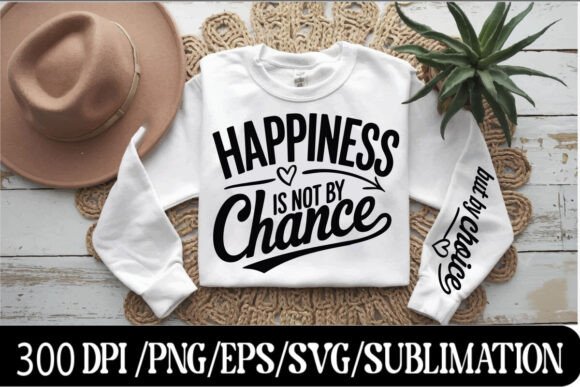
The design carries a positive, empowering message that resonates well in personal and boutique-style projects. The font choices are clean and bold, which immediately suggests it would work well as a standalone graphic or paired with subtle decorative elements. The text is centered, giving it a strong focal point, while the spacing between letters allows for good stitch definition and visual clarity. There are no overly intricate flourishes—just enough detail to make it stand out without overwhelming the viewer or the machine.
This kind of layout makes it ideal for sweatshirt embroidery, tote bag designs, or even custom baby clothes where a clear message is more important than complex imagery. The overall vibe is uplifting, and that emotional appeal can translate directly into customer satisfaction when used thoughtfully.
Real-World Use Cases
I recently tested this design on a cotton-blend sweatshirt for a small shop client. The result was impressive. The phrase stitched cleanly, with minimal distortion. On darker fabrics, the high contrast of the white satin stitching really popped, while on lighter tones, the design maintained a soft, elegant presence. This adaptability is a big plus for any embroidery file aiming to serve both personal and commercial audiences.
- Custom Apparel: The design works especially well on unisex t-shirts and hoodies. Its neutral tone and strong typography allow it to fit a wide variety of styles, from casual streetwear to boutique fashion lines.
- Tote Bag Design: For my latest project, I used it on a canvas tote. The density of the fill stitches held up beautifully against the textured fabric, and the final product felt professional and ready to sell.
- Baby Embroidery: With slight adjustments to the color palette, this could be transformed into a sweet nursery decoration or personalized onesie. The clarity of the message makes it great for parents looking for meaningful touches in their little one’s wardrobe.
- Holiday Gifts: During the last season, I tried it on a holiday apron and found it added a touch of warmth and personality. Perfect for festive Etsy listings or local craft fairs.
Where to Use with Caution
While Happiness is Not by Chance but Choice is adaptable, there are a few scenarios where extra care is needed:
- Small Hoop Sizes: The width of the design might require a larger hoop than some machines offer. If you’re working with limited space, consider scaling down carefully or using just part of the phrase.
- Stretchy or Thin Fabrics: On materials like spandex or thin knits, the design’s stitch density may cause puckering if not supported properly. Using a cutaway stabilizer beneath the fabric helps maintain smoothness.
- Detailed Corners: Because of the long word count and the need for precise alignment, corners can sometimes distort slightly. It’s worth testing the placement on scrap before committing to a finished product.
- Dark Fabric Backgrounds: While the design includes white thread suggestions, always test how it appears on your chosen fabric. A black background can amplify the contrast, but also highlight imperfections if the satin stitch isn’t perfectly aligned.
For commercial embroidery or mass production, these nuances become even more critical. You don’t want to risk inconsistencies in a batch of tote bags or branded apparel. Always take the time to run a sample before going full scale.
Stitch Clarity and Machine Compatibility
The stitch density of this design is moderate, which means it should perform well on most home embroidery machines. However, if you're planning to use it on stretchier or layered garments (like a patch sewn onto a denim jacket), you may need to adjust the tension or stabilize more aggressively.
There are no exact stitch counts provided, so I recommend checking those in your preferred software. Also, keep in mind that the SVG, EPS, and PNG files included are all at 4500×5400 pixels and 300 dpi—ideal for printing or digital mockups. But for actual embroidery, the real test is how it handles on fabric. That’s why I always suggest running a quick stitch test before moving forward.
Design Notes for the Practical Creator
If you're an Etsy seller or handmade shop owner, here are a few things to consider when using Happiness is Not by Chance but Choice:
- Test on Scrap Fabric First: Especially if you're using it for something like a custom sweatshirt or embroidered patch. Different threads and machines react differently.
- Check Thread Color Contrast: Make sure the colors you choose pop against the fabric. Sometimes a simple change in thread shade can elevate the entire look of the finished product.
- Review Stitch Density: Adjust settings based on fabric type. Dense areas may need less stitch coverage on delicate materials to avoid distortion.
- Confirm Hoop Size: Since the dimensions aren't specified, measure your design after importing it into your embroidery software. Some machines have maximum hoop sizes that could affect placement and quality.
- Inspect Small Details: The phrase itself is straightforward, but tiny lettering or connecting strokes may behave unpredictably depending on the machine and settings.
- Use Proper Stabilizer: Even on mid-weight cotton, a tear-away or light-weight cutaway can help prevent shifting during stitching.
- Test in Black and White Mockups: Before purchasing colored threads, see how the design reads in grayscale. This will give you a clearer idea of visibility and legibility.
- Compare Light and Dark Backgrounds: Try the design on both white and navy fabric to understand how it adapts and ensure it meets your aesthetic goals.
- Verify Licensing Terms: If you plan to sell products featuring this design, confirm the licensing agreement allows for commercial use. As a digital product seller, this is non-negotiable.
Customer Reactions and Brand Value
In my experience, customers gravitate toward embroidered items that tell a story or express a sentiment clearly. Happiness is Not by Chance but Choice does exactly that. When applied to a soft, cozy sweatshirt or a practical yet stylish tote bag, it becomes more than a design—it becomes a statement.
What I’ve noticed is that this kind of message-based design increases product value and customer trust. People recognize the effort behind a professionally stitched, readable phrase. It adds a layer of professionalism and brand consistency, especially if you're building a line of handmade products or creating a signature look for your craft business.
As a gift option, this design scored high in giftability. Whether it's a holiday item or a wedding favor, the message is relatable and positive. I've seen similar designs boost buyer engagement and repeat sales, particularly during seasonal campaigns.
Final Thoughts for the Busy Designer
Happiness is Not by Chance but Choice is a solid choice for anyone looking to add a meaningful graphic to their embroidery repertoire. Its simplicity doesn’t mean it lacks impact; rather, it ensures broad usability and a professional finish across various mediums.
That said, it’s not a one-size-fits-all solution. Be mindful of the fabric type, hoop size, and thread selection. For small shop product lines or digital embroidery file collections, this design can serve as a cornerstone, especially when paired with other complementary graphics or printable mockups.
If you're an embroidery designer who values versatility and emotional resonance in their work, this is a design worth considering. Just remember to treat it like any other machine embroidery design: test, tweak, and tailor it to your specific needs and equipment.
Ultimately, the success of this design depends on how you apply it. Used wisely, it can enhance your handmade product lineup, attract customer attention, and reinforce your brand’s message. And in the world of creative entrepreneurs, that’s what we call a smart investment—not just in thread and fabric, but in connection and value.