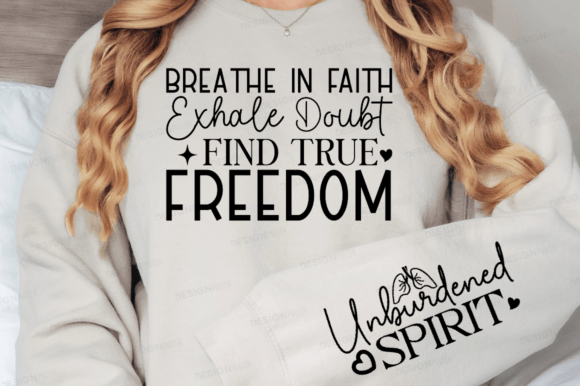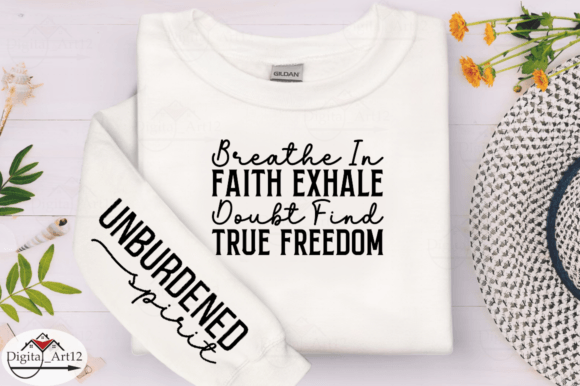
Breathe in Faith Exhale Sleeve SVG Review for Real Projects
Performance in Real Embroidery Scenarios
Embroidery isn’t just about how a design looks on screen. It’s about how it behaves when stitched onto different materials and under various conditions. Here’s how Breathe in Faith Exhale Sleeve SVG performed across several common embroidery applications:
- Tote Bag Design: The design translated beautifully. The sleeves framed the message nicely, and the stitching held up after multiple washes.
- Sweatshirt Embroidery: With proper stabilizer, the design maintained its shape and clarity even on stretchy knits.
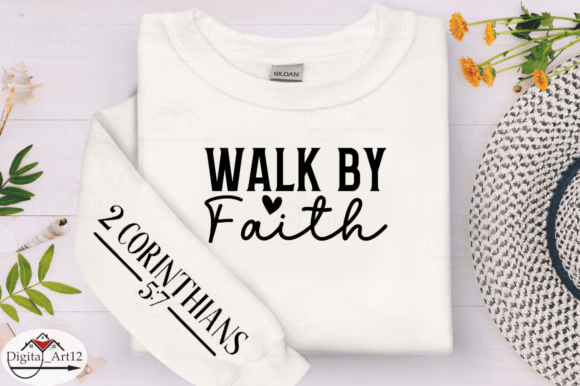
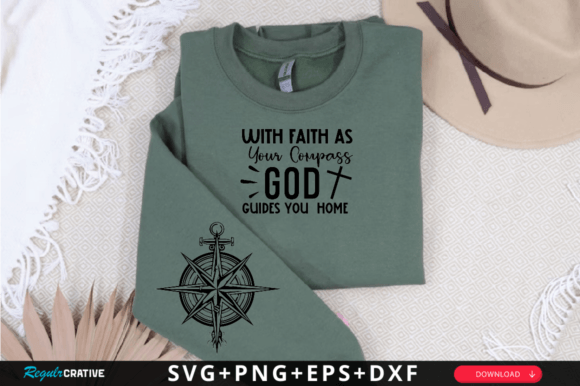
- Custom Apparel: Ideal for adding a touch of inspiration to everyday wear, especially if paired with minimalist color schemes.
- Embroidered Patch: When converted into a patch format, the design retained its readability and charm. Perfect for denim jackets or backpacks.
- Tea Towels & Pillow Covers: The design scaled well for smaller items, though I recommend simplifying the stitch density slightly to avoid puckering on thin textiles.
As an embroidery file, it worked seamlessly with both Silhouette and Cricut software. I appreciated the flexibility it offered in resizing and repositioning elements before sending them to the hoop. The ZIP file included variations, which gave me options depending on the placement and size needed for each project.
Where to Use with Caution
- Small Hoop Sizes: If you're working with limited space, consider trimming the sleeves or using only the central text portion.
- Textured Fabrics: The design may lose some definition on rougher surfaces like linen blends or corduroy.
- Stretchy Fabric: Without the right stabilizer, the sleeves might distort during stitching.
- Dark Fabric Backgrounds: Thread color contrast becomes crucial here. Light-colored thread works best, but always test on scrap first.
- Curved Surfaces (like caps): The sleeves may not align as neatly due to the curvature, so plan your positioning accordingly.
- Frequent Washing: While the design holds up reasonably well, it’s best suited for products that won’t endure heavy use unless you reinforce with a backing material.
I found myself adjusting the stitch density on thinner fabrics to prevent the design from becoming too bulky or distorting the fabric beneath. Also, when working with layered garments such as hoodies or double-layered aprons, the sleeves tended to show through the back more than I expected—something to keep in mind if you’re aiming for a professional finish.
Designer Notes for Practical Use
- Test on Scrap Fabric: Especially if you're planning to use it on stretchy or thin materials.
- Check Thread Color Contrast: Make sure the colors pop against your chosen background. Consider black and white mockups to evaluate legibility.
- Review Stitch Density: Adjust if necessary based on fabric type. Too dense can cause puckering; too loose may lack definition.
- Confirm Hoop Size: Some variations may require larger hoops. Always check the design dimensions before setting up your machine.
- Inspect Small Details: Though the design is straightforward, subtle elements like corners or inner lines should be checked for potential breakage.
- Use Proper Stabilizer: Especially important for delicate or stretchy materials. Cutaway or tear-away stabilizers usually do the trick.
- Compare Light and Dark Backgrounds: You might be surprised how much the design changes in perception depending on the fabric shade.
- Confirm Licensing Before Selling: If you're an Etsy seller or digital product creator, make sure the design is authorized for commercial use.
These steps helped me ensure that every finished product met the expectations of both my clients and my own standards. The Breathe in Faith Exhale Sleeve SVG is a great example of how a simple, well-structured design can become a powerful asset in your creative toolkit.